Blog
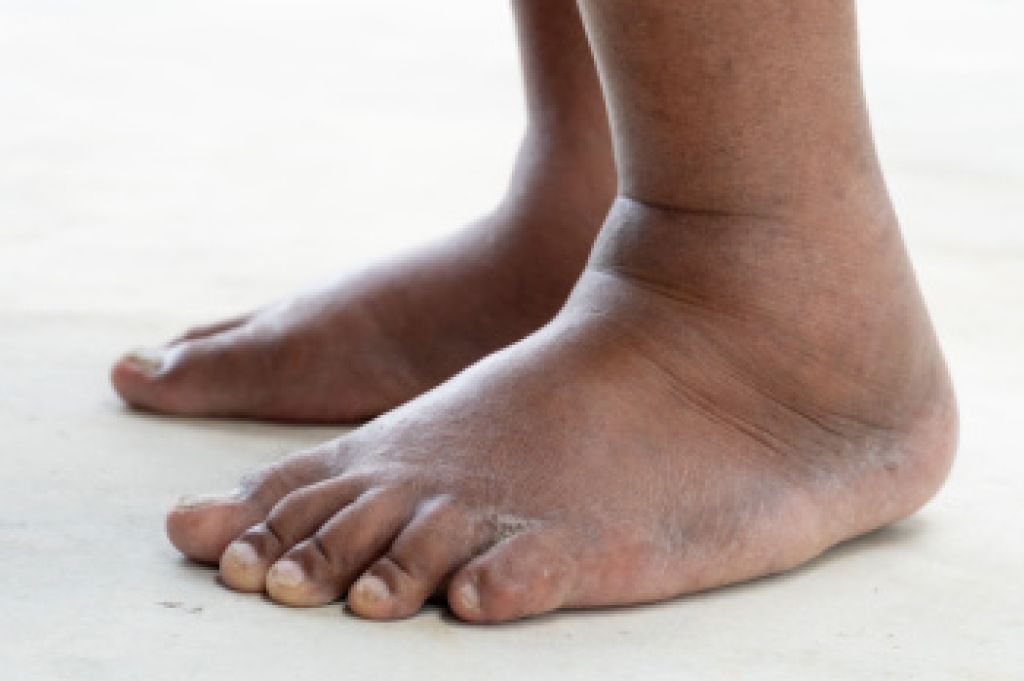
Causes of Swollen Feet

Swelling in the feet develops when fluid collects in the soft tissues surrounding the ankles and toes. A sprain or fracture often causes blood and fluid to move into the injured area as part of the healing process, possibly leading to puffiness and discomfort. Edema can also cause swollen feet, especially when fluid gathers around the lower legs due to gravity. Long hours of standing, sitting in one position, or wearing shoes with inadequate support can contribute to swelling. Medical conditions, such as gout in the big toe, an infection in the foot, or circulation problems, can also result in swollen feet. A podiatrist can examine the feet, identify the cause of the swelling, and recommend treatment to improve comfort and protect long-term foot function. If you notice abnormal swelling in your feet or ankles, it is suggested that you schedule an appointment with a podiatrist for expert guidance.
Swollen feet can be a sign of an underlying condition. If you have any concerns, contact One of our podiatrists of Diagnostic Foot Specialists. Our doctors can provide the care you need to keep you pain-free and on your feet.
Swollen feet are a common ailment among pregnant women and people who stand or sit for extended periods. Aging may increase the possibility of swollen feet and patients who are obese often notice when their feet are swelling too. There may be medical reasons why swollen feet occur:
- Phlebitis - A condition that causes the veins to become inflamed and can also cause leg pain.
- Liver disease - This may lead to low blood levels of albumin which is a protein. This can cause fluid in the blood to pass into the tissues and several areas of the body can become swollen.
- Heart failure - When the heart doesn’t pump properly the blood that is normally pumped back to the heart can pool in the veins of the legs causing swollen feet.
- Kidney disease - One of the main functions of the kidneys is releasing excess fluid in the body. This type of condition can make it difficult for the kidneys to function properly, and as a result the feet may become swollen.
- Deep-vein thrombosis (DVT)- This is a serious condition where blood clots form in the veins of the legs. They can block the return of blood from the legs to the heart which may cause the feet to swell. It is important to be treated by a podiatrist if this condition is present.
Swollen feet can also be caused by bone and tendon conditions, including fractures, arthritis, and tendinitis. Additionally, there may be skin and toenail conditions and an infection may cause the feet to swell. Patients who take medicine to treat high blood pressure may be prone to getting swollen feet.
Many patients elevate their feet to help relieve the swelling and this is generally a temporary remedy. When a podiatrist is consulted the reason behind the swelling can be uncovered and subsequently treated.
If you have any questions please contact our offices located in Houston, TX, Houston, TX, and Bryan, TX . We offer the newest diagnostic and treatment technologies for all your foot and ankle needs.
Foot Blisters and How to Protect Your Feet

Foot blisters are small pockets of fluid that form on the skin of the feet, often as a result of friction or pressure. They commonly develop from wearing poorly fitted shoes, engaging in extended physical activity, or sustaining burns such as a sunburn or frostbite. Symptoms include redness, swelling, pain, and fluid filled bumps that can make walking uncomfortable. Risk factors include moisture, high activity levels, abnormal foot shape, and sensitive skin. While most blisters generally heal naturally, improper care can lead to infection or prolonged discomfort. A podiatrist can provide safe treatment, protect the skin, address underlying causes, and recommend footwear or other protective measures. If you develop frequent foot blisters, or if they become infected, it is suggested that you consult a podiatrist who can guide you toward effective relief and prevention solutions.
Blisters may appear as a single bubble or in a cluster. They can cause a lot of pain and may be filled with pus, blood, or watery serum. If your feet are hurting, contact One of our podiatrists of Diagnostic Foot Specialists. Our doctors can provide the care you need to keep you pain-free and on your feet.
Foot Blisters
Foot blisters are often the result of friction. This happens due to the constant rubbing from shoes, which can lead to pain.
What Are Foot Blisters?
A foot blister is a small fluid-filled pocket that forms on the upper-most layer of the skin. Blisters are filled with clear fluid and can lead to blood drainage or pus if the area becomes infected.
Symptoms
(Blister symptoms may vary depending on what is causing them)
- Bubble of skin filled with fluid
- Redness
- Moderate to severe pain
- Itching
Prevention & Treatment
In order to prevent blisters, you should be sure to wear comfortable shoes with socks that cushion your feet and absorb sweat. Breaking a blister open may increase your chances of developing an infection. However, if your blister breaks, you should wash the area with soap and water immediately and then apply a bandage to the affected area. If your blisters cause severe pain it is important that you call your podiatrist right away.
If you have any questions, please feel free to contact our offices located in Houston, TX, Houston, TX, and Bryan, TX . We offer the newest diagnostic and treatment technologies for all your foot care needs.