Items filtered by date: December 2025

Tuesday, 30 December 2025 00:00

Corns and Calluses: Similar Yet Different

Corns and calluses are very similar in that they both involve a thickening of skin on the feet and are caused by friction or pressure. What makes them different are their sizes and where they develop on the feet. Corns are smaller, rounder, and they usually show up on the soles of the foot as well as on the sides and tops of the toes. Calluses are larger, yellowish, and typically are found on the balls of the foot. Removing or greatly reducing the source of friction, as well as certain topical treatments may help to dissolve corns and calluses. In severe cases, or when the patient has diabetes or poor circulation, consultation with a podiatrist is suggested.

Corns can make walking very painful and should be treated immediately. If you have questions regarding your feet and ankles, contact One of our podiatrists of Diagnostic Foot Specialists. Our doctors will treat your foot and ankle needs.

Corns: What Are They? And How Do You Get Rid of Them?
Corns are thickened areas on the skin that can become painful. They are caused by excessive pressure and friction on the skin. Corns press into the deeper layers of the skin and are usually round in shape.

Ways to Prevent Corns
There are many ways to get rid of painful corns such as:

  • Wearing properly fitting shoes that have been measured by a professional
  • Wearing shoes that are not sharply pointed or have high heels
  • Wearing only shoes that offer support

Treating Corns

Although most corns slowly disappear when the friction or pressure stops, this isn’t always the case. Consult with your podiatrist to determine the best treatment option for your case of corns.

If you have any questions, please feel free to contact our offices located in Houston, TX, Houston, TX, and Bryan, TX . We offer the newest diagnostic and treatment technologies for all your foot care needs.

Read more about Understanding Corns and Calluses
Tuesday, 23 December 2025 00:00

Caring for Senior Feet and Maintaining Comfort

https://www.crossroadshospice.com/hospice-palliative-care-blog/2022/january/27/how-to-care-for-senior-feet/

Senior feet require special attention as changes in circulation, skin health, and mobility can make them more vulnerable to discomfort and injury. Regular care includes trimming toenails carefully to prevent ingrown nails, keeping the skin clean and moisturized, and wearing clean cotton socks to reduce irritation and support healthy airflow. Wearing supportive footwear is also essential for balance and stability. A podiatrist can provide routine foot examinations, manage common concerns such as corns, calluses, and fungal infections, and offer guidance that promotes safety and comfort. Taking proactive steps can improve mobility and overall well-being. If you or a loved one needs help caring for senior feet, it is suggested that you consult a podiatrist who can treat various foot conditions and offer effective elderly foot care tips.

Proper foot care is something many older adults forget to consider. If you have any concerns about your feet and ankles, contact One of our podiatrists from Diagnostic Foot Specialists. Our doctors can provide the care you need to keep you pain-free and on your feet.

The Elderly and Their Feet

As we age we start to notice many changes in our body, but the elder population may not notice them right away. Medical conditions may prevent the elderly to take notice of their foot health right away. Poor vision is a lead contributor to not taking action for the elderly.

Common Conditions 

  • Neuropathy – can reduce feeling in the feet and can hide many life-threatening medical conditions.
  • Reduced flexibility – prevents the ability of proper toenail trimming, and foot cleaning. If left untreated, it may lead to further medical issues.
  • Foot sores – amongst the older population can be serious before they are discovered. Some of the problematic conditions they may face are:
  • Gouging toenails affecting nearby toe
  • Shoes that don’t fit properly
  • Pressure sores
  • Loss of circulation in legs & feet
  • Edema & swelling of feet and ankles

Susceptible Infections

Diabetes and poor circulation can cause general loss of sensitivity over the years, turning a simple cut into a serious issue.

If you have any questions, please feel free to contact our offices located in Houston, TX, Houston, TX, and Bryan, TX . We offer the newest diagnostic and treatment technologies for all your foot care needs.

Read more about Elderly and their Feet
Tuesday, 16 December 2025 00:00

Strengthening the Arches of Your Feet

Strengthening the arches of your feet is an important step toward better stability, balance, and comfort. Simple exercises such as big toe movement and toe yoga can activate the small muscles that support the arch and improve overall foot function. These movements help train the foot to work more efficiently while walking and standing. A podiatrist can assess your arch strength, provide guidance on proper technique, and recommend additional exercises or supportive devices, when needed. If you want to improve your foot strength or reduce discomfort related to weak arches, it is suggested that you schedule an appointment with a podiatrist to receive expert care and a personalized relief plan that supports healthier feet.

Exercising your feet regularly with the proper foot wear is a great way to prevent injuries and build strength. If you have any concerns about your feet, contact One of our podiatrists from Diagnostic Foot Specialists. Our doctors can provide the care you need to keep you pain-free and on your feet.

Exercise for Your Feet

Exercise for your feet can help you gain strength, mobility and flexibility in your feet. They say that strengthening your feet can be just as rewarding as strengthening another part of the body. Your feet are very important, and we often forget about them in our daily tasks. But it is because of our feet that are we able to get going and do what we need to. For those of us fortunate enough to not have any foot problems, it is an important gesture to take care of them to ensure good health in the long run.

Some foot health exercises can include ankle pumps, tip-toeing, toe rises, lifting off the floor doing reps and sets, and flexing the toes. It is best to speak with Our doctors to determine an appropriate regimen for your needs. Everyone’s needs and bodies are different, and the activities required to maintain strength in the feet vary from individual to individual. 

Once you get into a routine of doing regular exercise, you may notice a difference in your feet and how strong they may become.

If you have any questions, please feel free to contact our offices located in Houston, TX, Houston, TX, and Bryan, TX . We offer the newest diagnostic and treatment technologies for all your foot care needs.

Read more about Exercise for Your Feet

Ingrown toenails occur when the edge of the nail grows into the surrounding skin, causing pain, redness, and swelling. They often result from improper trimming, wearing tight shoes, or injury, and can worsen if infection develops. Early treatment helps relieve discomfort and prevents further complications. Other toenail conditions, such as fungal infections, thickened nails, or nail trauma, can also cause changes in nail color, shape, and texture. These issues may be uncomfortable and make walking or wearing shoes difficult. A podiatrist can safely remove part of an ingrown nail, prescribe medication for infection, or recommend treatments to restore healthy nail growth. Paying attention to nail health, keeping feet clean and dry, and trimming nails straight across are simple steps that help prevent problems. If you have painful or abnormal toenails, it is suggested that you see a podiatrist for a proper diagnosis and appropriate care.

Ingrown toenails can become painful if they are not treated properly. For more information about ingrown toenails, contact One of our podiatrists of Diagnostic Foot Specialists. Our doctors can provide the care you need to keep you pain-free and on your feet.

Ingrown Toenails

Ingrown toenails occur when a toenail grows sideways into the bed of the nail, causing pain, swelling, and possibly infection.

Causes

  • Bacterial infections
  • Improper nail cutting such as cutting it too short or not straight across
  • Trauma to the toe, such as stubbing, which causes the nail to grow back irregularly
  • Ill-fitting shoes that bunch the toes too close together
  • Genetic predisposition

Prevention

Wearing proper fitting shoes and using proper cutting techniques will also help decrease your risk of developing ingrown toenails.

Treatment

Ingrown toenails are a very treatable foot condition. In minor cases, soaking the affected area in salt or antibacterial soaps will not only help with the ingrown nail itself, but also help prevent any infections from occurring. In more severe cases, surgery is an option. In either case, speaking to your podiatrist about this condition will help you get a better understanding of specific treatment options that are right for you.

If you have any questions, please feel free to contact our offices located in Houston, TX, Houston, TX, and Bryan, TX . We offer the newest diagnostic and treatment technologies for all your foot care needs.

Read more about Ingrown Toenail Care
Wednesday, 03 December 2025 00:00

Keep Your Feet Healthy So You Can Stay Active

Have your feet inspected by a professional before starting a new sport or physical activity. Taking charge of your foot health will keep you in good physical condition and can help you avoid a potential injury, such as a fracture or sprained ankle.

Prevent injuries and see a foot specialist.

Tuesday, 02 December 2025 00:00

Getting Back in the Game After a Broken Toe

A fractured toe may seem minor, but it can significantly affect balance, stability, and athletic performance. These injuries often occur from direct impact, stubbing the toe, or repetitive stress during sports. Recovery depends on the severity and location of the break, with healing typically taking several weeks. Rest, protective footwear, and sometimes taping or splinting allow the bone to heal properly. Rushing back to sports too soon can delay recovery or lead to re-injury. Once pain and swelling subside, gradual return to movement and strength training helps restore flexibility and coordination. Wearing supportive shoes, and, in some cases, orthotics can reduce pressure on the healing area. If you are an athlete and have a broken toe, it is suggested that you schedule an appointment with a podiatrist before resuming full activity to ensure the toe has healed completely, and to receive guidance on safe re-entry into training and competition.

A broken toe can be very painful and lead to complications if not properly fixed. If you have any concerns about your feet, contact One of our podiatrists from Diagnostic Foot Specialists. Our doctors will treat your foot and ankle needs.

What to Know About a Broken Toe

Although most people try to avoid foot trauma such as banging, stubbing, or dropping heavy objects on their feet, the unfortunate fact is that it is a common occurrence. Given the fact that toes are positioned in front of the feet, they typically sustain the brunt of such trauma. When trauma occurs to a toe, the result can be a painful break (fracture).

Symptoms of a Broken Toe

  • Throbbing pain
  • Swelling
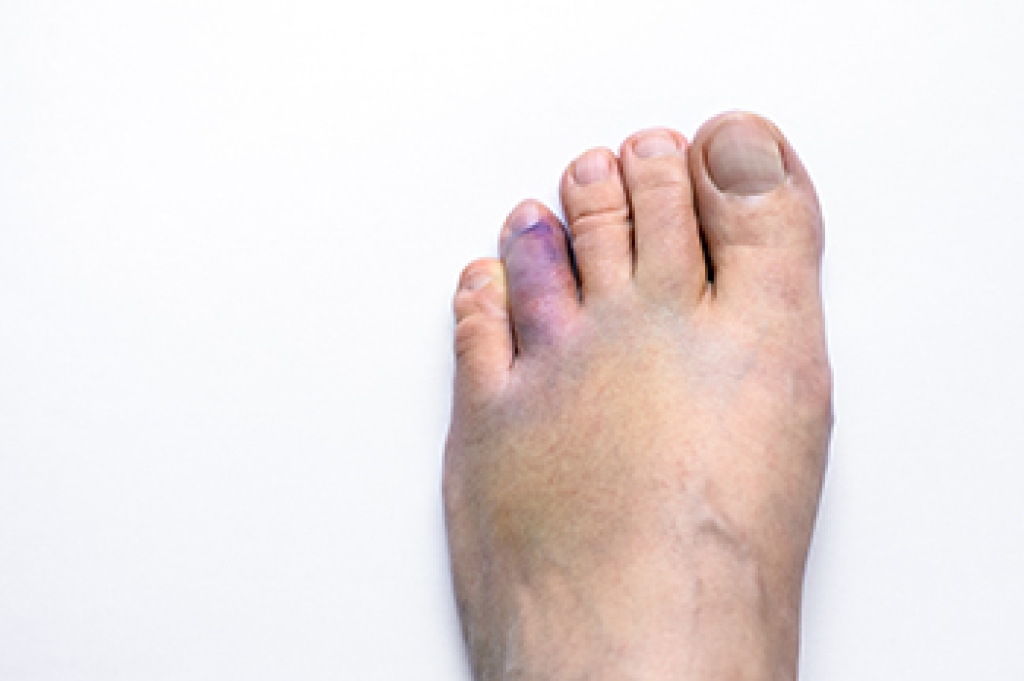
  • Bruising on the skin and toenail
  • The inability to move the toe
  • Toe appears crooked or disfigured
  • Tingling or numbness in the toe

Generally, it is best to stay off of the injured toe with the affected foot elevated.

Severe toe fractures may be treated with a splint, cast, and in some cases, minor surgery. Due to its position and the pressure it endures with daily activity, future complications can occur if the big toe is not properly treated.

If you have any questions, please feel free to contact our offices located in Houston, TX, Houston, TX, and Bryan, TX . We offer the newest diagnostic and treatment technologies for all your foot care needs.

Read more about What to Know About a Broken Toe
scroll to top