Treatment of Foot Puncture Wounds

A foot puncture wound occurs when a pointed object pierces the skin and leaves a small entry hole. Nails, glass, and needles are frequent causes. Unlike a cut, a puncture can extend deep into the foot while looking minor at the surface. The object can also push dirt, pieces of sock, or shoe material into the wound. These trapped materials can damage soft tissue and raise the risk of infection. Walking barefoot increases exposure to sharp objects, but a puncture can also pass through a shoe. The wound’s depth and the object’s cleanliness both affect its severity.

Prompt evaluation is important because patients cannot always tell how deeply an object has entered the foot. A retained piece of material can remain hidden beneath the skin. Infection can develop in the skin and spread to a joint or bone. Warning signs include increasing pain, redness, and swelling. Drainage, warmth, or fever can also signal a problem. Diabetes, poor circulation, and reduced feeling in the feet increase the chance of serious complications. A wound that seems small can therefore require urgent attention, especially when the object broke off inside the foot or was dirty.

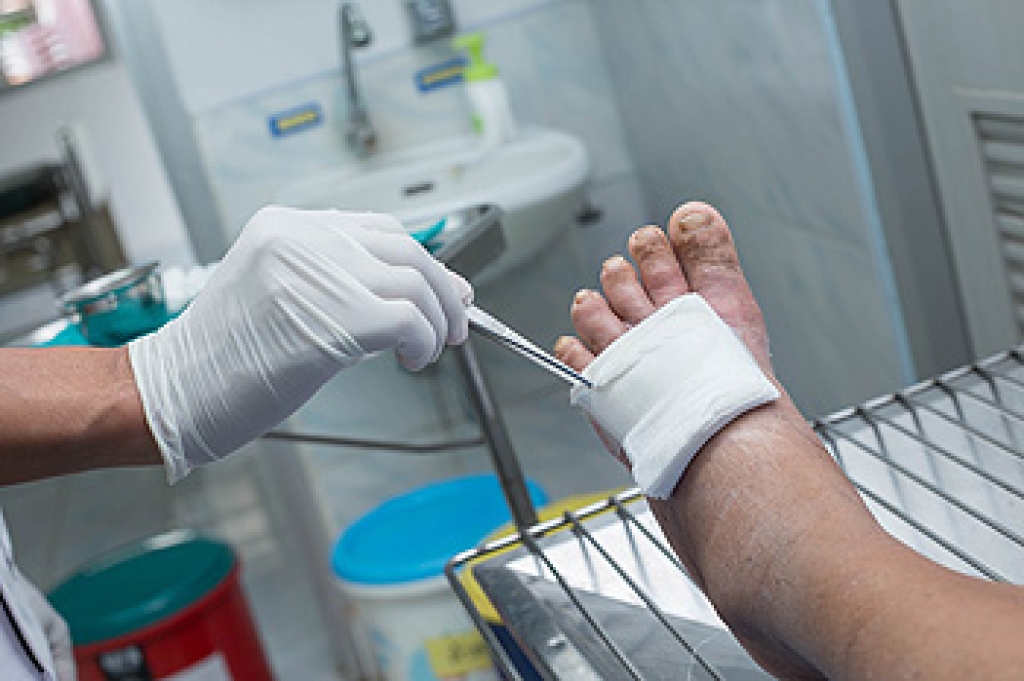
A podiatrist can examine the wound, determine its depth, and look for damage to nearby structures. The podiatrist can clean the injured area and remove material left beneath the skin. X-rays can reveal foreign objects or bone damage. Other imaging tests can locate materials that do not appear on an X-ray. Treatment includes protecting the foot from pressure and monitoring the wound. The podiatrist can check for infection and decide whether further care or surgery is required. Follow-up visits help confirm that healing is progressing and no hidden material remains. Early care lowers the risk of infection, painful scarring, and lasting damage. If you have a puncture wound on your foot, it is suggested that you schedule an appointment with a podiatrist for effective relief and treatment solutions.

Wound care is an important part in dealing with diabetes. If you have diabetes and a foot wound or would like more information about wound care for diabetics, consult with One of our podiatrists from Diagnostic Foot Specialists. Our doctors will assess your condition and provide you with quality foot and ankle treatment.

What Is Wound Care?

Wound care is the practice of taking proper care of a wound. This can range from the smallest to the largest of wounds. While everyone can benefit from proper wound care, it is much more important for diabetics. Diabetics often suffer from poor blood circulation which causes wounds to heal much slower than they would in a non-diabetic. 

What Is the Importance of Wound Care?

While it may not seem apparent with small ulcers on the foot, for diabetics, any size ulcer can become infected. Diabetics often also suffer from neuropathy, or nerve loss. This means they might not even feel when they have an ulcer on their foot. If the wound becomes severely infected, amputation may be necessary. Therefore, it is of the upmost importance to properly care for any and all foot wounds.

How to Care for Wounds

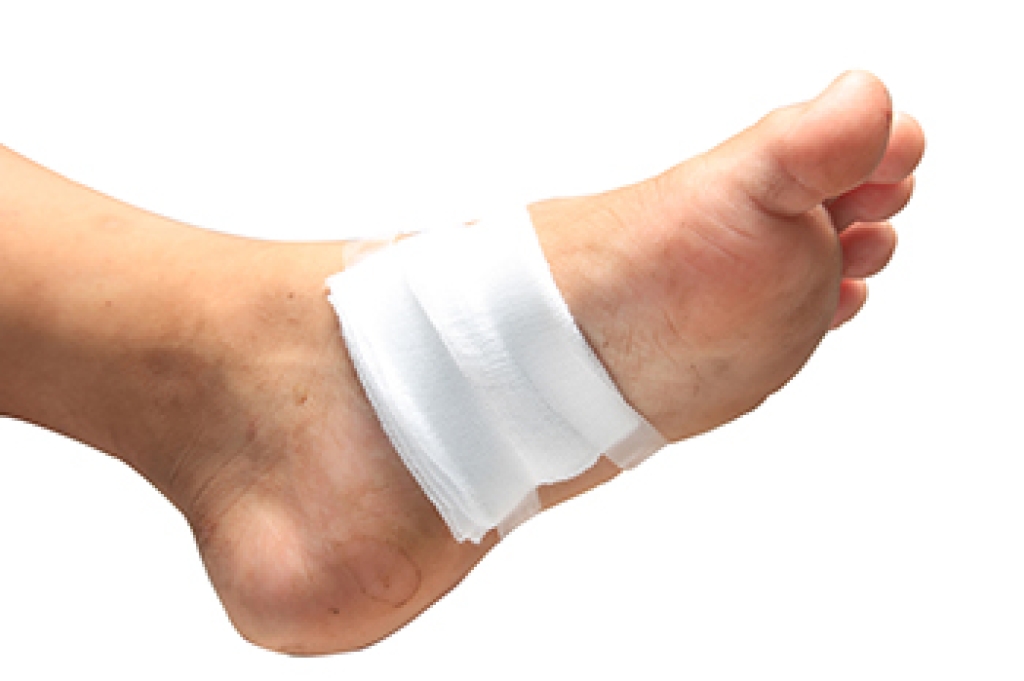
The best way to care for foot wounds is to prevent them. For diabetics, this means daily inspections of the feet for any signs of abnormalities or ulcers. It is also recommended to see a podiatrist several times a year for a foot inspection. If you do have an ulcer, run the wound under water to clear dirt from the wound; then apply antibiotic ointment to the wound and cover with a bandage. Bandages should be changed daily and keeping pressure off the wound is smart. It is advised to see a podiatrist, who can keep an eye on it.

If you have any questions please contact our offices located in Houston, TX, Houston, TX, and Bryan, TX . We offer the newest diagnostic and treatment technologies for all your foot and ankle needs.


Read more about Wound Care

Plantar Warts Can Be Treated!

Plantar warts are small growths that develop on parts of the feet that bear weight. They're typically found on the bottom of the foot. Don't live with plantar warts, and call us today!

Adapting Running Techniques for Foot Arthritis Relief

Arthritis in the feet can be painful, and running with this condition requires thoughtful adjustments to protect the joints while maintaining activity. Arthritis in the feet develops when cartilage wears down, leading to inflammation and discomfort. Although running is a repetitive activity, controlled movement can encourage joint lubrication by compressing and releasing cartilage in affected areas. This can help maintain flexibility when paired with proper technique and supportive footwear.

Symptoms of foot arthritis often include aching pain, stiffness, swelling, and limited movement in the joints. These symptoms may become more noticeable after prolonged activity or during changes in weather. Risk factors include aging, prior injuries, joint misalignment, and repeated impact on hard surfaces. Without proper management, these factors can increase discomfort and reduce mobility over time. Understanding these risks allows individuals to take steps toward safer exercise habits.


Adjusting running habits is essential for reducing stress on the feet. Choosing shoes that provide cushioning and stability can improve shock-absorption and alignment. Running on softer surfaces helps minimize joint impact and protect inflamed areas. Shortening stride length can reduce the force placed on the foot with each step, making movement more efficient. Incorporating rest days and stretching can further support recovery and reduce stiffness. These strategies allow individuals to remain active without worsening symptoms.


The benefits of modifying running techniques include improved comfort, better joint function, and reduced risk of further damage. Staying active supports overall health and helps maintain strength and flexibility. Careful attention to technique can make a significant difference in managing symptoms. If you enjoy running, and arthritis is causing discomfort, it is suggested that you consult a podiatrist for effective relief, management, and guidance tips.

Arthritis can be a difficult condition to live with. If you are seeking treatment, contact One of our podiatrists from Diagnostic Foot Specialists. Our doctors can provide the care you need to keep you pain-free and on your feet.

Arthritic Foot Care  

Arthritis is a joint disorder that involves the inflammation of different joints in your body, such as those in your feet. Arthritis is often caused by a degenerative joint disease and causes mild to severe pain in all affected areas. In addition to this, swelling and stiffness in the affected joints can also be a common symptom of arthritis.

In many cases, wearing ill-fitting shoes can worsen the effects and pain of arthritis. Wearing shoes that have a lower heel and extra room can help your feet feel more comfortable. In cases of rheumatoid arthritis, the arch in your foot may become problematic. Buying shoes with proper arch support that contour to your feet can help immensely.

Alleviating Arthritic Pain

  • Exercises that stretch the foot can prevent further pain and injury and increase mobility
  • Most of the pain can be alleviated with anti-inflammatory drugs, heat, and topical medications
  • Massages can help temporarily alleviate pain.

It is best to see your doctor for the treatment that is right for your needs and symptoms. Conditions vary, and a podiatrist can help you determine the right method of care for your feet.

If you have any questions please feel free to contact our offices located in Houston, TX, Houston, TX, and Bryan, TX . We offer the newest diagnostic tools and technology to treat your foot and ankle needs.

Read more about Arthritic Foot Care

Protecting Your Feet From Diabetic Foot Ulcers

Diabetes can affect the feet in ways that are easy to overlook until a serious problem develops. High blood sugar can damage nerves, reducing the ability to feel pain, heat, or injuries. This means a small cut or blister can go unnoticed. Diabetes can also reduce blood flow to the feet, making such wounds slower to heal and increasing the risk of infection. In such cases, a foot ulcer can develop. Even a minor injury from bumping the foot, stepping on a sharp object, or wearing shoes that do not fit properly can cause a foot ulcer. This open sore can become severe without prompt treatment. Because these injuries are not always painful, regular foot examinations by a podiatrist are an important part of protecting foot health.

A podiatrist carefully checks the skin, circulation, and nerve function to identify early warning signs. The examination also focuses on pressure points, changes in foot shape, and areas of irritation that increase the chance of skin breakdown. Professional care includes treating calluses, trimming thick toenails, and managing developing wounds in ways that encourage healing. A podiatrist can also recommend shoes that fit properly and provide better protection against rubbing and pressure. Early diagnosis and treatment can help lower the risk of infection, hospitalization, and surgery.

Regular visits with a podiatrist play an important role in preventing diabetic foot complications. Professional evaluations help detect changes that patients cannot always see or feel because of reduced sensation. Prompt treatment of small wounds and pressure-related skin problems can prevent them from becoming dangerous ulcers. Education provided by a podiatrist also helps patients understand why proper shoe fit and routine foot evaluations are essential for protecting mobility. Delaying care allows a small problem to become much more difficult to treat. If you have symptoms of a foot ulcer resulting from diabetes, it is suggested that you are under the care of a podiatrist who can help to manage this serious condition.

Diabetic foot care is important in preventing foot ailments such as ulcers. If you are suffering from diabetes or have any other concerns about your feet, contact One of our podiatrists from Diagnostic Foot Specialists. Our doctors can provide the care you need to keep you pain-free and on your feet.

Diabetic Foot Care

Diabetes affects millions of people every year. The condition can damage blood vessels in many parts of the body, especially the feet. Because of this, taking care of your feet is essential if you have diabetes, and having a podiatrist help monitor your foot health is highly recommended.

The Importance of Caring for Your Feet

  • Routinely inspect your feet for bruises or sores.
  • Wear socks that fit your feet comfortably.
  • Wear comfortable shoes that provide adequate support.

Patients with diabetes should have their doctor monitor their blood levels, as blood sugar levels play such a huge role in diabetic care. Monitoring these levels on a regular basis is highly advised.

It is always best to inform your healthcare professional of any concerns you may have regarding your feet, especially for diabetic patients. Early treatment and routine foot examinations are keys to maintaining proper health, especially because severe complications can arise if proper treatment is not applied.

If you have any questions, please feel free to contact our offices located in Houston, TX, Houston, TX, and Bryan, TX . We offer the newest diagnostic and treatment technologies for all your foot care needs.

Read more about Diabetic Foot Care

Causes and Types of Ankle Pain During Sporting Activity

Ankle pain during sports events can affect athletes of all skill levels. It occurs when the structures that support the ankle, including muscles, tendons, ligaments, and bones, experience excessive stress or injury. Sports that involve jumping, quick movements, and sudden changes in direction place additional pressure on the ankle joint. Common causes include strains, tendinitis, and stress fractures. Understanding the definition and causes of sports-related ankle pain can help athletes recognize symptoms early and take steps to protect their feet and ankles.

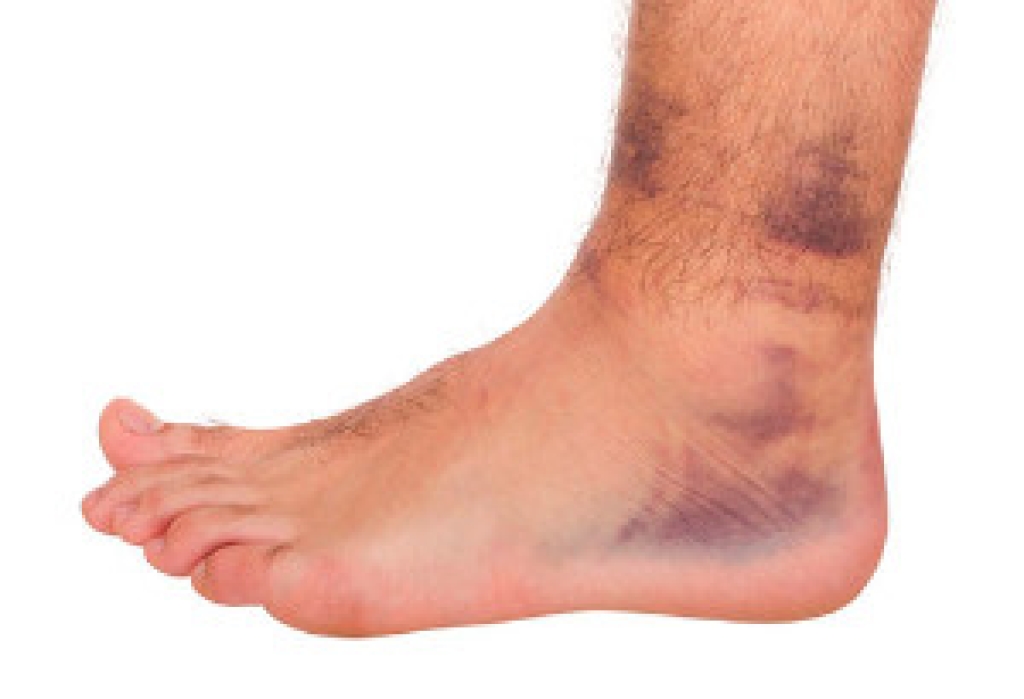
Symptoms of ankle injuries may include pain, swelling, and stiffness. Bruising and difficulty putting weight on the affected foot may also occur. Some athletes may experience weakness, a reduced range of motion, or discomfort during specific movements. Strains occur when muscles or tendons are overstretched or torn, while tendinitis develops when a tendon becomes irritated from repetitive stress. Stress fractures are small cracks in the bone caused by repeated impact. These injuries can worsen if ignored and may interfere with athletic performance.


Risk factors for ankle pain include participating in high-impact sports, previous injuries, improper footwear, and inadequate conditioning. Basketball and volleyball players are at increased risk because jumping and landing place significant stress on the ankles. Running sports and activities involving repeated impact can also contribute to overuse injuries. Poor flexibility, weak supporting muscles, and sudden increases in training intensity may further increase the likelihood of developing ankle problems.


Preventing ankle pain requires proper preparation and care. Warming up before activity helps prepare muscles and joints for movement, while stretching improves flexibility and reduces strain. Wearing supportive athletic shoes and using proper techniques during jumping and landing can also reduce injury risk. Strengthening the ankle and lower-leg muscles provides additional stability. If you have ankle pain related to sports activity, it is suggested that you consult a podiatrist for an accurate diagnosis and appropriate treatment.

Ankle and foot injuries are common among athletes and in many sports. They can be caused by several problems and may be potentially serious. If you are feeling pain or think you were injured in a sporting event or when exercising, consult with One of our podiatrists from Diagnostic Foot Specialists. Our doctors will assess your condition and provide you with quality foot and ankle treatment.

Common Injuries

The most common injuries that occur in sporting activities include:

  • Achilles Tendonitis
  • Achilles Tendon Rupture
  • Ankle Sprains
  • Broken Foot
  • Plantar Fasciitis
  • Stress Fractures
  • Turf Toe

Symptoms

Symptoms vary depending upon the injury and in some cases, there may be no symptoms at all. However, in most cases, some form of symptom is experienced. Pain, aching, burning, bruising, tenderness, tightness or stiffness, sensation loss, difficulty moving, and swelling are the most common symptoms.

Treatment

Just as symptoms vary depending upon the injury, so do treatment options. A common treatment method is known as the RICE method. This method involves rest, applying ice, compression and elevating the afflicted foot or ankle. If the injury appears to be more serious, surgery might be required, such as arthroscopic or reconstructive surgery. Lastly, rehabilitation or therapy might be needed to gain full functionality in the afflicted area. Any discomfort experienced by an athlete must be evaluated by a licensed, reputable medical professional.  

If you have any questions please contact our offices located in Houston, TX, Houston, TX, and Bryan, TX . We offer the newest diagnostic and treatment technologies for all your foot and ankle needs.
Read more about Sports Related Foot and Ankle Injuries
scroll to top